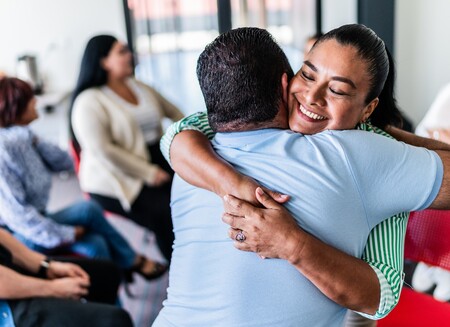
July 24 is International Self-Care Day, and we would like to start with a question caregivers rarely hear: how are you doing?
When you love someone living with dementia, your days tend to revolve around everyone else’s needs. Did they eat? Did they sleep? Are they comfortable? Did they remember their medication? How are they feeling today? Over time, you become an expert at noticing the smallest changes in the person you love. Somewhere along the way, it becomes easy to stop noticing the changes in yourself.
Perhaps you tell yourself you’re “just tired,” postpone your own doctor’s appointment, or skip lunch because there isn’t time. Calls with friends fade because staying home feels easier, and rest becomes something you’ll get to “when things settle down.” For many caregivers, that day never quite arrives.
The Caregiver No One Is Caring For
International Self-Care Day is often associated with bubble baths, spa days, and indulgence. For caregivers, self-care tends to look a little different. It might mean finally scheduling the physical you’ve been putting off, saying yes when someone offers to stay with your loved one for two hours, going for a walk, sleeping through the night, or asking for help without apologizing. Self-care protects your ability to keep showing up with love.
Caregivers Need Care, Too
More than 13 million Americans provide unpaid care for a loved one each year.¹ Caregiving can be one of life’s most meaningful roles, and it also carries significant emotional and physical demands. Research consistently shows that caregivers experience higher rates of anxiety and depression, chronic stress, sleep disruption, high blood pressure, social isolation, and burnout.²
The National Institute on Aging reminds caregivers that prioritizing their own health is not selfish, and that it directly improves their ability to provide compassionate, sustainable care.³ Think of it this way: caring for yourself builds resilience, and resilience keeps your devotion strong over the long road.
Guilt Is One of Caregiving’s Biggest Burdens
Many caregivers quietly carry guilt. “If I leave for an afternoon, what if they need me?” “No one can care for them like I can.” “I should be able to do this.” These thoughts are common, and they deserve kindness.
Here is something worth remembering: your loved one doesn’t need a perfect caregiver. They need a healthy one. A break gives you the emotional and physical capacity to keep loving them tomorrow, and the day after that.⁴
Five Small Acts of Self-Care That Actually Matter
Self-care can be as simple as:
- Asking a friend to stay with your loved one while you take a walk
- Scheduling your own medical appointments before theirs
- Eating a meal while it’s still warm
- Laughing without feeling guilty
Small moments of restoration build resilience over time.
You Deserve the Same Compassion You Freely Give
At Artis Senior Living, we see the incredible love family caregivers bring every day. We also see the sacrifices: the late nights, the difficult decisions, and the quiet exhaustion that often goes unseen. So this International Self-Care Day, we would like to ask a simple question: How are you doing?
We are asking you as yourself, the person behind the daughter, the husband, or the care partner, because your well-being matters, too. The more you care for yourself, the more fully you can care for the person you love. That is worth celebrating on International Self-Care Day and every day.
Next Step: If you are caring for a loved one living with dementia and considering additional support, visit an Artis community to see how we partner with families so residents and the people who love them can thrive together.
Was this helpful?
Thanks for your feedback.
Source Citations (1)
- Centers for Disease Control and Prevention. Caregiver Health. https://www.cdc.gov/aging/caregiving/index.htm