
Play as Freedom: How Simple Choices Support Connection and Dignity
Play as Freedom: How Simple Choices Support Connection and Dignity
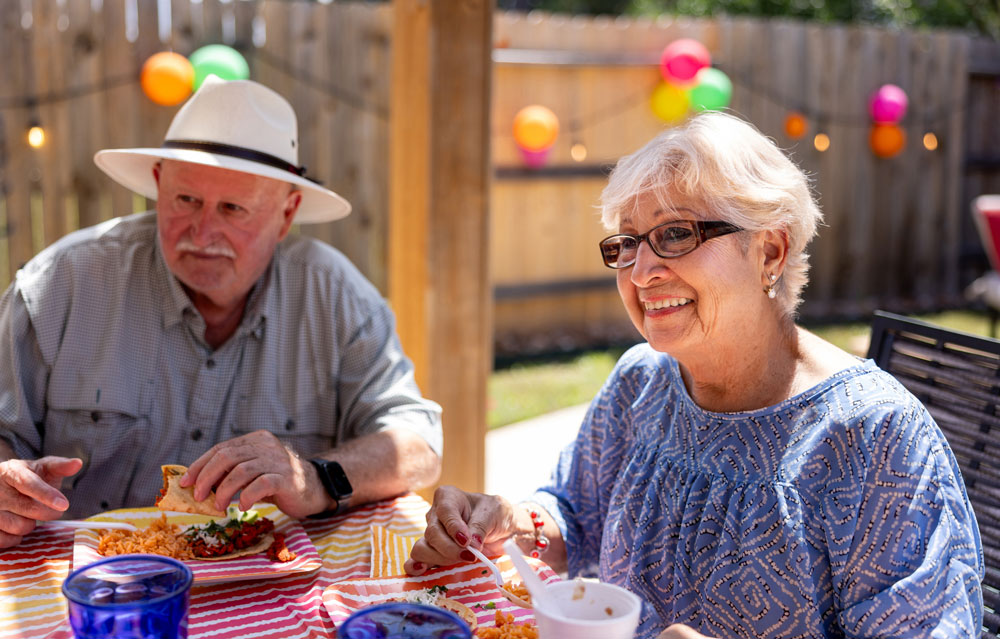
Summer often brings a different rhythm. Families spend longer afternoons together. Visits feel less rushed. Conversations unfold slowly over iced tea, a walk outdoors, or time spent sitting side by side.
For many families supporting a loved one living with dementia, these moments create opportunities to connect. They can also bring uncertainty. Finding activities that feel comfortable and engaging isn’t always straightforward, especially when energy, attention, or interests may change from day to day.
Sometimes, the most meaningful moments begin with something much simpler than an activity.
They begin with a choice.
Why Simple Choices Matter
Choice is a natural part of everyday life. We choose what to wear, what to eat, where to sit, when to participate, and when to rest. These decisions may seem small, but they help shape our sense of identity, independence, and comfort.
Research consistently shows that supporting autonomy remains important for people living with dementia. Studies have found that maintaining opportunities for choice can support well-being, preserve dignity, and strengthen a person’s sense of self.
Researchers also note that loss of autonomy is one of the concerns many people associate with a dementia diagnosis.*
Person-centered dementia care, widely recognized as the foundation of quality dementia support, emphasizes understanding each individual’s preferences, interests, history, and abilities rather than focusing solely on symptoms or limitations. The Alzheimer’s Association identifies person-centered care as an essential component of dementia care practice recommendations.
For families, this can be a helpful shift in perspective. Meaningful engagement does not have to be complicated. Participation often becomes easier when people are offered opportunities to choose how they would like to spend their time.
What We Mean by “Play as Freedom”
At Artis, July’s Power of Play theme explores a simple idea: play can create space for freedom.
Freedom does not have to mean independence in the traditional sense. It can look like choosing between two options. It can mean deciding whether to join an activity, observe from nearby, or return later. It can mean engaging for five minutes or fifty.
When participation is flexible, people can respond to what feels comfortable in the moment.
This approach reflects what researchers describe as person-centered support, where individual preferences remain central to daily experiences and decision-making. Studies exploring autonomy and dementia consistently highlight the importance of including people in choices that affect their daily lives, while recognizing that participation may look different from person to person.
What It Looks Like in Practice
One example is a simple choice-based activity such as jar voting.
Residents are invited to choose between visible options using familiar, tactile materials. They might place a token into one jar or another, select a preferred theme, color, scent, or activity, or simply watch others participate.
The experience is intentionally low-pressure.
There are no correct answers. No competition. No expectation to perform.
Someone may make a selection immediately. Another person may take time to observe before participating. Others may enjoy repeating the experience several times.
The invitation remains the same:
Choose what feels good today.
This type of open-ended engagement creates opportunities for expression while allowing each person to participate on their own terms.
Extending Choice Throughout the Day
At Artis, supporting choice is woven into everyday life. Sometimes it appears in very practical ways.
A resident may choose between a red shirt and a blue shirt. They may select from meal options at dining times. They may decide where they would like to sit, which activity feels appealing, or whether they would prefer quiet time instead.
These moments may seem ordinary, yet they can have a meaningful impact.
Research on autonomy and dementia highlights that participation in everyday decisions helps support dignity, self-expression, and quality of life. Even when decision-making abilities change, opportunities for supported choice remain valuable.
This is an important part of person-centered care: recognizing that every individual continues to have preferences, interests, and ways of communicating what feels comfortable.
Participation does not need to look the same for everyone.
What Families May Notice
When pressure is removed, shared experiences often feel more natural.
Families sometimes discover that connection happens during small moments rather than carefully planned activities. A choice between two options can spark conversation. A simple activity can create a sense of comfort. Sitting together and observing can feel just as valuable as active participation.
Research on person-centered dementia care suggests that honoring individual preferences and supporting participation can contribute to improved quality of life and overall well-being.
For families, that can be a reassuring reminder.
Connection does not require a perfect activity or a perfect outcome.
It begins with meeting someone where they are today.
Creating Space for Presence
At its heart, Play as Freedom is about creating opportunities without expectations.
Simple choices can help support dignity, comfort, and self-expression. They allow people to engage in ways that feel natural to them and create room for authentic connection with family, friends, and community.
The goal is not to achieve something. The goal is to make space for presence.
And sometimes, that begins with something as simple as asking, “Which would you prefer today?”
At Artis Senior Living, we support connection through:
- Life enrichment programming rooted in engagement and play
- Culinary experiences that bring comfort, familiarity, and joy
- Daily care support grounded in presence, dignity, and relationship-building
Connection is about showing up, sharing time, and creating moments that feel intentional – all together.
Source: National Institute on Aging (NIA)
Person-Centered Care for People with Dementia
https://www.nia.nih.gov/health/alzheimers-and-dementia/person-centered-care-people-dementia