
Why Music Is Instrumental for People Living With Dementia
Why Music Is Instrumental for People Living With Dementia
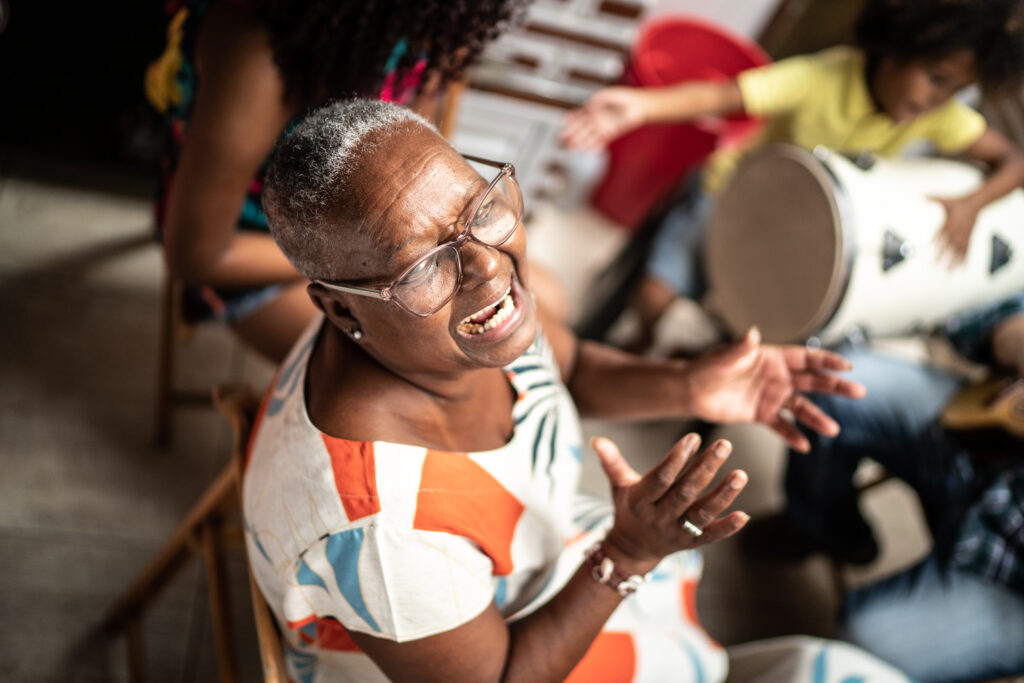
For individuals on the dementia journey, music is far more than entertainment – it’s one of the most powerful tools we have for communication, connection, and emotional well-being. Even as memory shifts and language changes, the brain’s musical pathways often remainintact longer than other cognitive systems. A familiar melody can spark recognition, soothe anxiety, energize a sluggish afternoon, or open a door to conversation that words alone can no longer reach.
At Artis Senior Living, music sits at the heart of The Power of Play – our yearlong, neuroscience-informed approach to engagement rooted in joy, sensory connection, and the natural rhythms of the body. Each month features a unique theme inviting residents, families, and associates to explore how play can restore calm, spark curiosity, and strengthen emotional bonds. Music – from structured programs like Rhythms of Renewal to everyday humming, tapping, and singing – plays a central role in the initiative.
It’s life enrichment programming backed by the joyful science of memory care.
The Neuroscience Behind Music & Dementia
Research consistently shows that music activates multiple areas of the brain at once – emotional centers, movement networks, long-term memory storage, and even the regions that support speech. For people living with dementia, this multisensory activation can:
- Reduce agitation and sundowning
- Improve mood and emotional regulation
- Trigger autobiographical memories
- Encourage movement and reduce fall risk through rhythm
- Support social engagement
- Strengthen neural pathways associated with connection and recognition
Rather than demanding cognitive effort, music simply invites our presence – and meets us exactly where we are.
Music as Play: A Core Element of the Power of Play Framework
At Artis, music is a form of care disguised as joy. Morning playlists help residents gently wake cognitively; afternoon rhythms support social connection and creativity; evening harmonies foster relaxation and alignment with natural circadian rhythms.
Our signature sensory experiences weave together scent, flavor, melody, and story, offering families a multidimensional way to connect with their loved ones.
This approach also empowers associates to use music in everyday care moments – brushing hair, redirecting anxiety, or celebrating a successful activity of daily living – turning ordinary tasks into moments of play, dignity, and companionship.
10 Musical Activities Families Can Enjoy During Visits
Here are ten simple, meaningful, research-backed ways families can use music to connect with loved ones during a visit – whether at home or in their Artis community:
1. Create a “Life Playlist” Together
Play songs from the decade your loved one was 15–25. Those often evoke the strongest emotional resonance.
2. Dance While Sitting
Even gentle swaying or tapping hands together can create connection and lift energy.
3. Bring an Instrument (No Skills Needed!)
Shakers, small drums, or a simple keyboard invite playful interaction.
4. Sing Their Favorite Hymn or Classic Tune
Humming counts – and can be grounding for someone with memory loss.
5. Try a Sensory Pairing
Pair lavender lotion with soft jazz at bedtime or citrus scents with upbeat morning tunes.
6. Turn Photo Albums Into “Music Memories”
Play songs tied to specific eras or life milestones while sharing photos.
7. Watch a Musical Clip Together
Classic musicals, Big Band performances, or old TV show theme songs can spark joy.
8. Start a Rhythm Circle
Clap, tap the table, tap your knees – simple rhythm-making is both playful and regulating.
9. Share a “Sound Story”
Narrate a memory (“Remember our beach trip?”) and pair it with ocean sounds, ukulele music, or songs from that year.
10. Take a Musical Walk
If mobility allows, walk slowly to calming music. If not, enjoy movement together from a chair.
Music Connects Us – Play Keeps Us Together
The dementia journey urges us to find new ways to connect. Music gives families a powerful doorway into moments of joy, recognition, and emotional closeness. It becomes a shared language – one that transcends memory.
At Artis, every note is an opportunity to awaken something meaningful: a smile, a memory, a spark of curiosity, or a moment of peace. That’s the heart of our 2026 Power of Play programming.